
It's important to properly absorb any vitamin D you are supplementing into your body. In this video, Holistic Nutrition Center owner, Kristi Acuña, helps to inform you how.
The post The Importance of Vitamin D and Absorption appeared first on Holistic Nutrition Center.
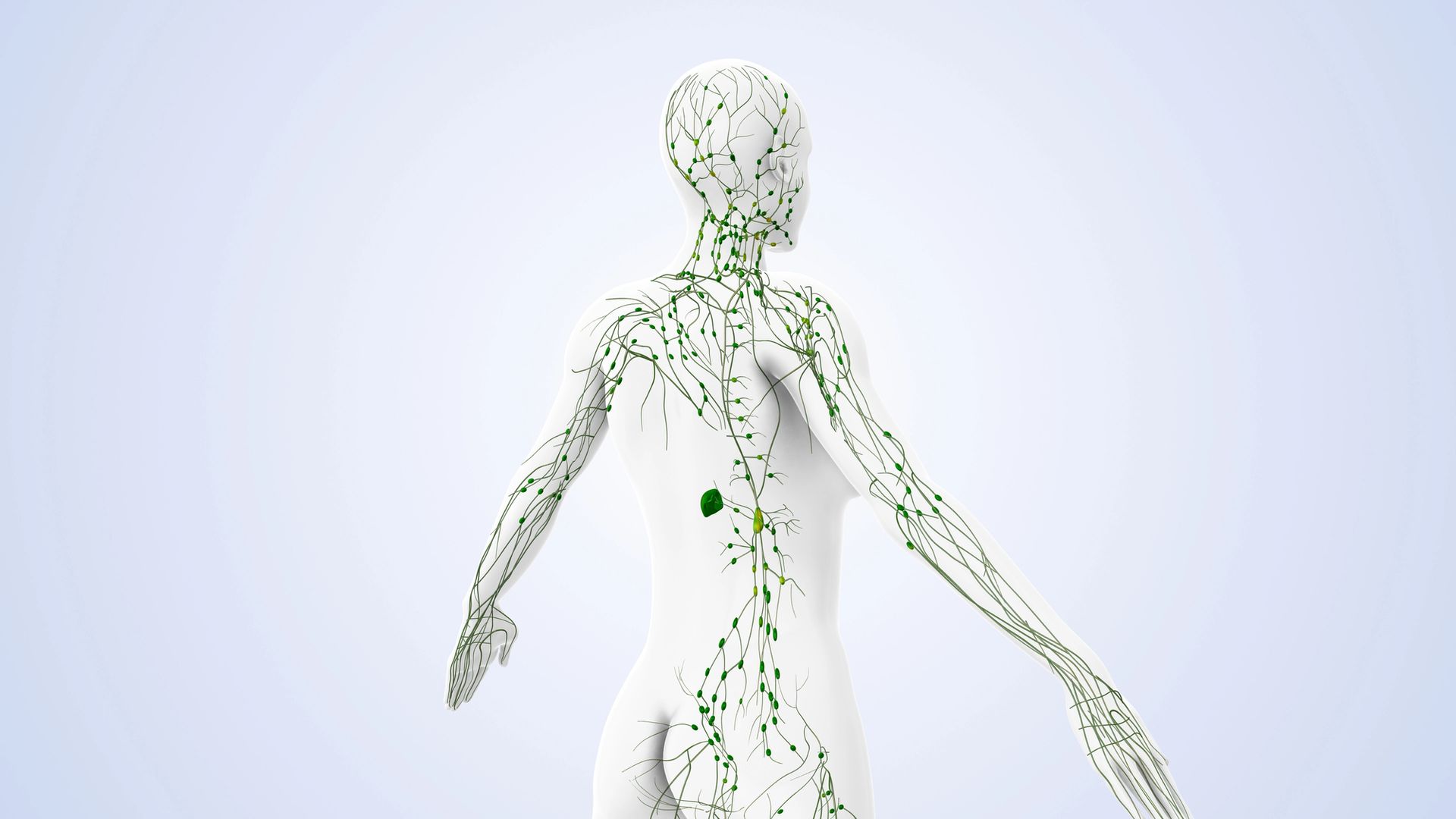
It's important to get your lymphatic system flowing to move toxins, bacteria, yeast, and viruses out of your body. In this video, Holistic Nutrition Center owner, Kristi Acuña, shows you a fun and free way how.
The post Get Your Lymphatic System Flowing! appeared first on Holistic Nutrition Center.
In this edition of Sh*t Talk Tuesdays Holistic Nutritionist, Kristi Acuña, talks about foul bowel smells lingering after using the bathroom.
The post Bowel Smells After Movement appeared first on Holistic Nutrition Center.
In this edition of Sh*t Talk Tuesdays Holistic Nutritionist, Kristi Acuña, talks about what to do if you see skid marks in the toilet bowl. Also, she is offering free analysis of one week of your food diary. Simply write down what you eat for breakfast, lunch and dinner, any snacks and cravings. Do this daily for one week and send the 7-day food log to Kristi: info@hncnewport.com
The post Free Food Diary Analysis appeared first on Holistic Nutrition Center.
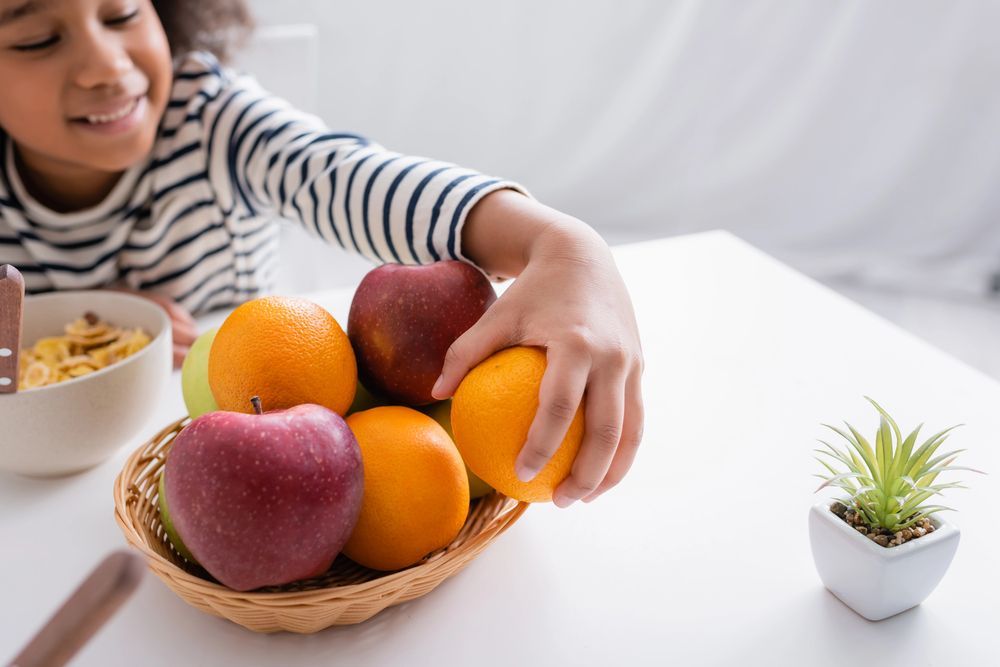
Video - Kristi looks for the root cause of a runny nose in her daughter by looking for nutritional and chemical imbalances in her body.
The post Holistic Nutrition Testing for Imbalances in Children appeared first on Holistic Nutrition Center.

The post Is Agave Syrup Healthy? appeared first on Holistic Nutrition Center.

The post December 2020 Newsletter appeared first on Holistic Nutrition Center.
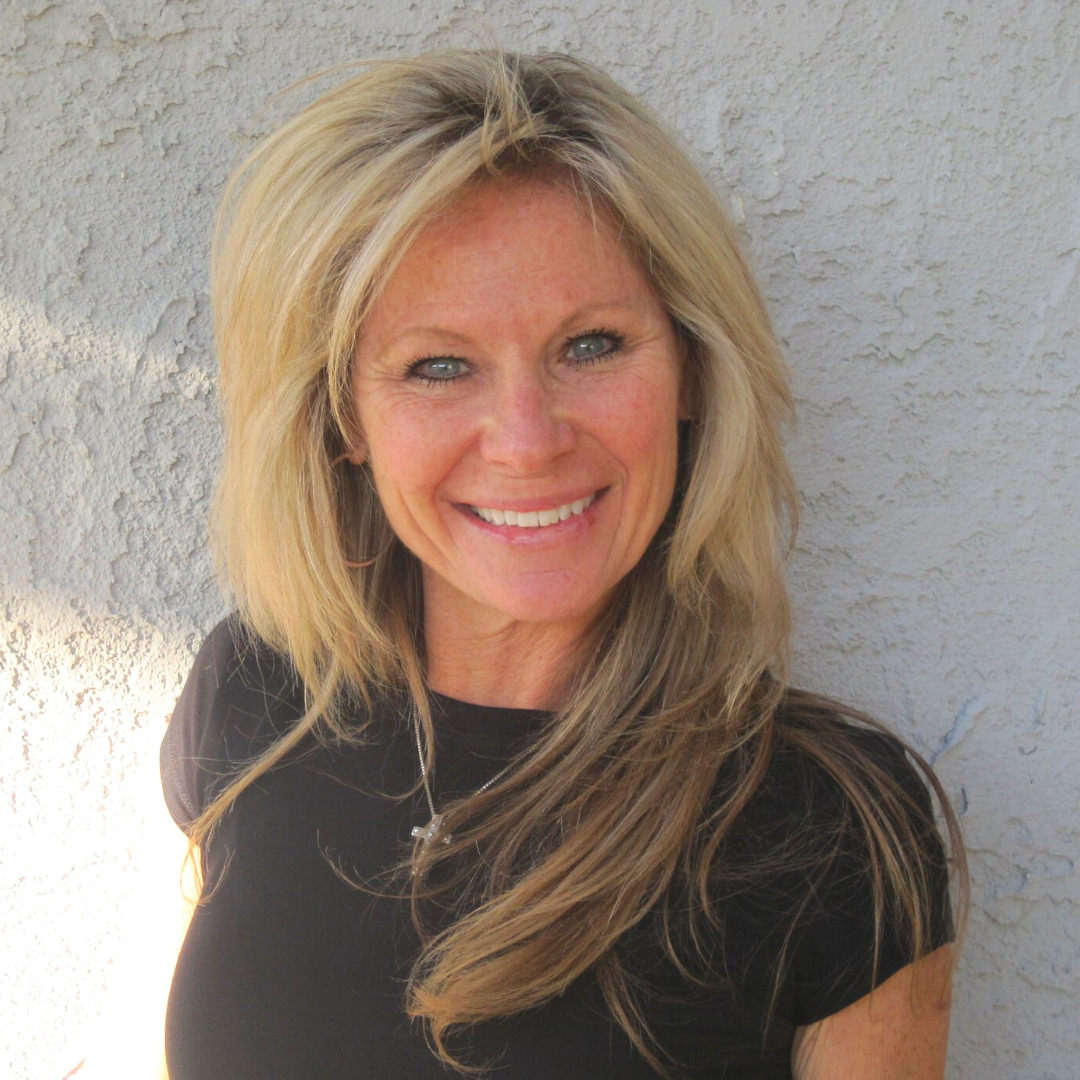
The post Thermography Special appeared first on Holistic Nutrition Center.
The post November 2020 Newsletter appeared first on Holistic Nutrition Center.
The post October 2020 Newsletter appeared first on Holistic Nutrition Center.